finance
Birmingham Commercial Real Estate Market Shifts as Economic Conditions Change
Shifts in global events and economic conditions are influencing commercial real estate dynamics in Birmingham's business sector this summer.
How we reported this
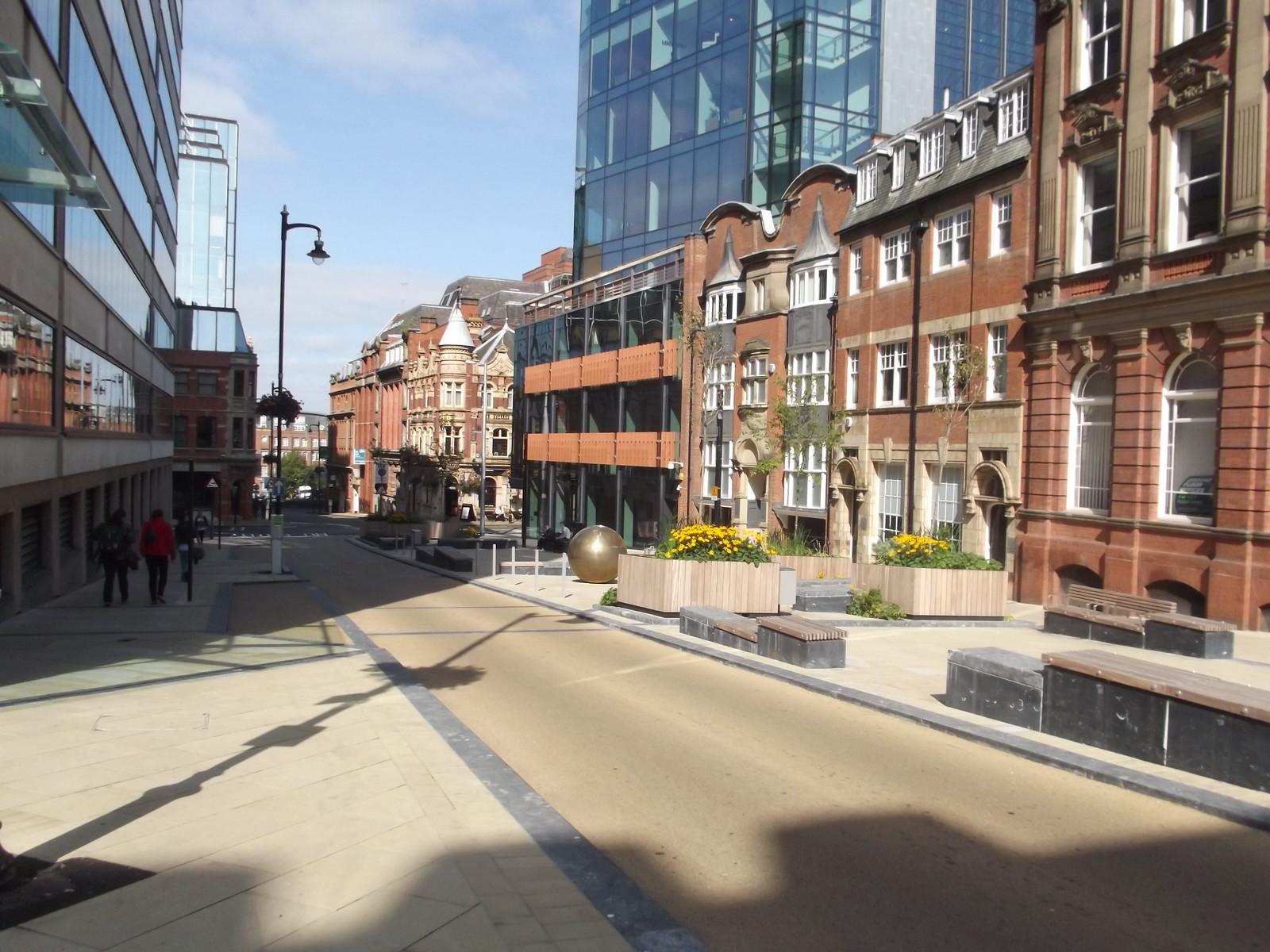
Birmingham's commercial development scene is facing evolving market trends shaped by broader global and national economic challenges, underscoring a period of adjustment for local businesses seeking new or expanded spaces.
Why This Matters Now
In an environment marked by geopolitical tensions and economic turbulence, commercial property demand is being recalibrated. Businesses are reconsidering their footprint and location strategies amid uncertainties such as international trade difficulties and fluctuating supply chains. Birmingham companies, integral to the UK's economy, find themselves navigating these changes while balancing cost pressures with the need for modern, flexible workspaces.
Local Business Landscape and Development Response
While Birmingham boasts a thriving business ecosystem and longstanding districts such as the Jewellery Quarter and Eastside Innovation District, the market shows a cautious stance with respect to new commercial developments. Developers and city planners are focusing on adaptive reuse of existing properties and integrating digital infrastructure to meet evolving tenant expectations. Demand leans towards flexible leasing and hybrid work-compatible spaces rather than traditional large-scale office complexes.
Local commercial hubs continue to attract smaller enterprises and technology start-ups, which play a pivotal role in the city’s economy. However, landlords are increasingly negotiating terms to keep occupancy rates stable, mindful of the challenges firms face in uncertain economic times. This cautious optimism characterizes Birmingham’s adjustment to a post-pandemic, globally influenced commercial real estate market.
Though precise transaction and price data for Birmingham’s commercial properties this summer are not currently available, qualitative observations signal a market in flux with an emphasis on sustainability and adaptability. Businesses prioritizing flexibility and technological capabilities in their spaces are better positioned to thrive as market conditions evolve.
Looking ahead, Birmingham businesses should monitor market signals carefully and engage proactively with property managers and developers. Seeking spaces that offer agility in lease terms and enhanced technological infrastructure will be crucial. Additionally, companies are advised to consider strategic location choices within the city that align with their operational needs and growth plans, keeping in mind the trend towards mixed-use commercial environments.
This article is general information only and is not personal financial or investment advice. Consider your own circumstances and seek licensed professional advice before making financial decisions.