culture
The Community and Movement Driving Birmingham’s Cultural Shift in Museums and Galleries
Local activists, artists, and organisations are reshaping Birmingham’s museum and gallery scene to better reflect the city’s diverse communities and histories.
How we reported this
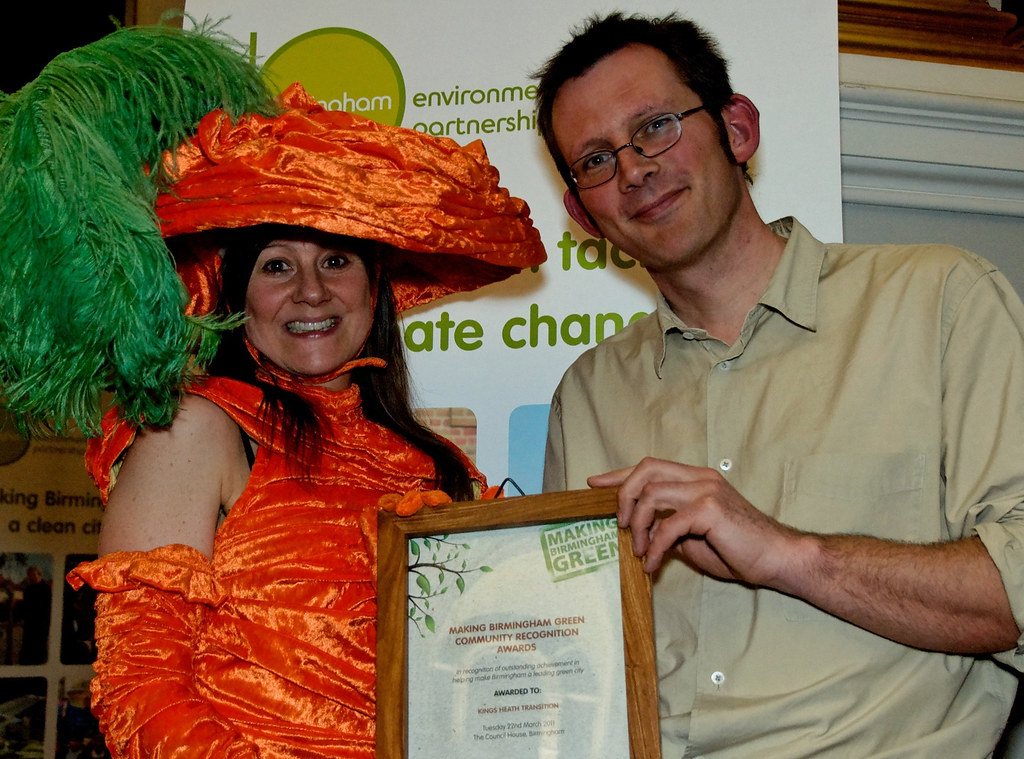
Birmingham’s museums and galleries are undergoing a significant transformation, propelled not by institutions alone but by a grassroots movement involving community groups, artists, and cultural activists. This wave of change challenges traditional narratives and seeks to create spaces that truly represent the city’s multicultural identity.
This shift matters now more than ever. As Birmingham approaches its 2026 Commonwealth Games, there is increased scrutiny on how the city showcases its heritage and culture. The push for more inclusive representation in museums and galleries aligns with growing public demand for institutions that engage in honest storytelling, address colonial legacies, and highlight contemporary local voices. The movement also responds to recent national conversations about diversity and cultural equity, amplified by events such as the city’s response to the Windrush scandal and campaigns advocating for BAME artists.
Community voices reshape City’s key cultural venues
Two venues have become focal points in this transformation: the Birmingham Museum and Art Gallery (BMAG) on Chamberlain Square and the Ikon Gallery in Brindleyplace. At BMAG, a partnership program called "Roots and Routes" launched in early 2026, has collaborated with local Afro-Caribbean and South Asian community groups to co-curate exhibitions that explore migration stories and cultural hybridity. This initiative, supported by the Birmingham City Council and funded through the Arts Council England with £450,000 allocated over two years, aims to diversify both its collection and visitor experience.
Meanwhile, the Ikon Gallery is piloting an "Artist-in-Residence Community Lab," inviting emerging artists from inner-city neighbourhoods such as Handsworth and Sparkhill to engage directly with residents and produce works that reflect lived experiences. This community-led approach marks a departure from traditional top-down curation and spotlights underrepresented narratives. Local youth organisations like Handsworth Arts Collective have contributed workshops and storytelling sessions that feed into the gallery’s programming.
Data tracks growing engagement and investment
Recent figures illustrate the impact of these community-driven efforts. BMAG reported a 25% increase in visitors aged 18-35 during the first quarter of 2026, a demographic previously less engaged. The number of visits by families from ethnic minority backgrounds rose by 18% compared to 2025. Funding for community co-produced exhibits increased by 30% citywide in the last fiscal year, with the Birmingham City Council dedicating an extra £1.2 million to cultural equity projects across six local institutions.
Additionally, ticketed events at the Ikon Gallery featuring community-led showcases have sold out in advance, with an average price of £12, indicating strong local demand for these new perspectives. Surveys conducted by Birmingham Cultural Partners reveal that 68% of local residents feel the city’s museums and galleries now better reflect Birmingham’s diversity compared to five years ago.
This cultural realignment is catalysed not just by institutional efforts but by persistent advocacy from groups like Birmingham Histories Network and independent curators rooted in the city’s multicultural neighbourhoods. Together, they have driven museums and galleries toward embracing accountability and inclusion.
Going forward, the focus will be on sustaining momentum. Visitors can expect more events co-created with the community, including a major exhibition planned at BMAG for autumn 2026 that explores Birmingham’s industrial past alongside its multicultural present. For those interested in participating, Birmingham Museums and Heritage Service offers regular public forums and volunteer opportunities to influence future exhibitions. Subscribing to the Ikon Gallery’s newsletter will also keep locals updated on upcoming residencies and workshops.
This community-centric movement signals a new era for Birmingham’s cultural institutions-one where curation is not just handed down but built in collaboration, reflecting the city’s complex social fabric and giving voice to its many histories.