culture
Birmingham’s Cultural Festival: Tracing the Roots and Rise of a City’s Creative Pulse
From the Jewellery Quarter to Digbeth, Birmingham’s annual cultural festival reflects decades of artistic evolution and urban renewal.
How we reported this
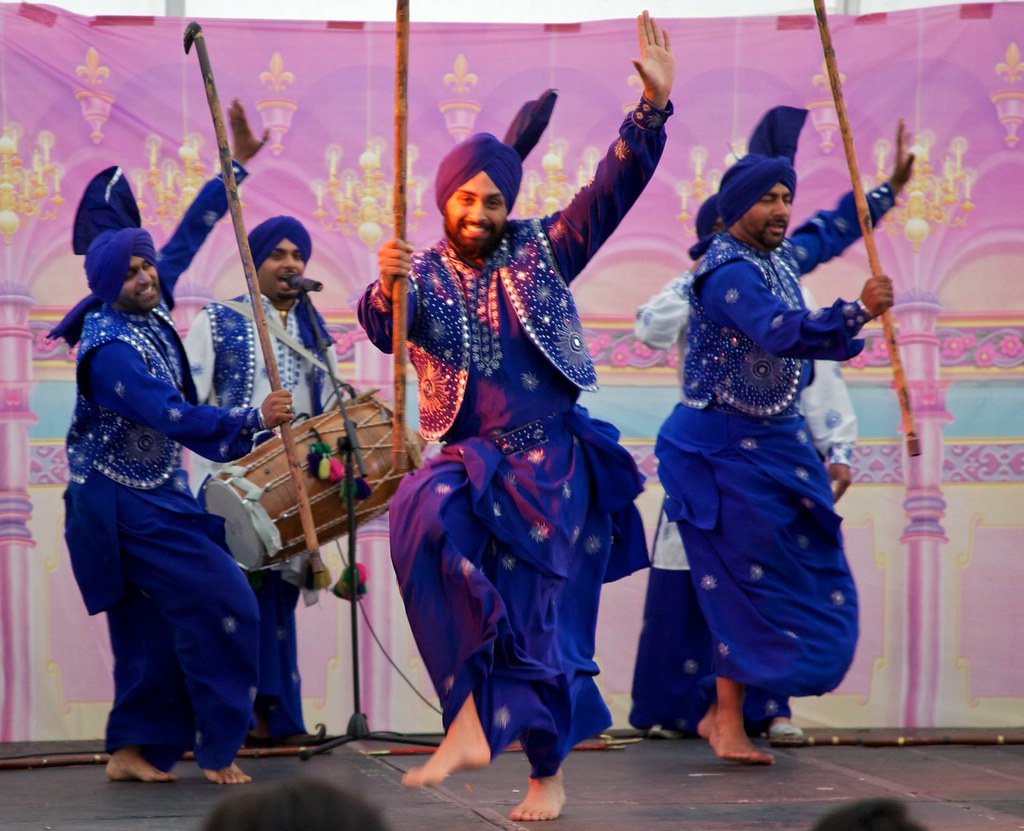
Birmingham’s annual cultural festival, set to open this Friday, celebrates more than just the vibrant arts scene-it marks the culmination of a decades-long transformation of the city’s creative landscape. The festival, hosting over 150 events across 40 venues including the Custard Factory and the Ikon Gallery, spotlights the history and evolution of Birmingham’s cultural heartbeat.
Why This Moment Matters
The festival’s 2026 edition arrives amid a renaissance for Birmingham’s arts and entertainment sectors, buoyed by recent investments and the city’s growing reputation as a cultural destination. Following a 25% increase in visitor numbers last year to the Birmingham Hippodrome and comparable lifts at smaller venues, the city is capitalizing on its diverse heritage and youthful talent pool. Launching in a year when Birmingham celebrates 60 years since the opening of the Bull Ring Shopping Centre-a landmark sign of postwar regeneration-the festival underscores how creative initiatives have become central to urban development and community identity.
Local Roots: Venues and Organisations Shaping the Scene
The festival’s footprint is anchored in historic and contemporary spaces that tell Birmingham’s cultural story. The Custard Factory, a former industrial site in Digbeth, has evolved since the 1990s into a hub for indie artists, designers, and digital creatives, embodying the city’s shift from manufacturing to creative enterprise. The nearby Ikon Gallery, founded in 1964 and located in Brindleyplace, introduced contemporary art to Birmingham long before it gained international acclaim, situating the city firmly on Britain’s artistic map.
Meanwhile, the Midlands Arts Centre (MAC) in Cannon Hill Park remains a cornerstone, fostering community engagement through theatre, workshops, and exhibitions since 1962. These venues, along with grassroots initiatives like the Young Artists Network and Surtal Collective, form a web that has nurtured emerging talent and helped diversify Birmingham’s cultural offerings.
Public art projects throughout Digbeth and along the Southside Quarter also highlight the city’s commitment to embedding creativity in everyday life. A recent £2 million Birmingham City Council fund allocation has supported such projects, reinforcing culture’s role in regeneration.
Evidence of Growth and Transformation
Quantitative measures reflect this cultural surge. In 2025, the Birmingham Cultural Festival attracted an estimated 120,000 attendees, a 30% rise compared to 2016. Ticket prices remain affordable, averaging between £8 and £20 per event, encouraging broad community participation. Local employment in creative industries has expanded by 15% over the past five years, according to data from Birmingham City Council’s Economic Development Unit, with approximately 28,000 people now working in arts, design, and media roles across the city.
The festival also plays an educational role, partnering with institutions like Birmingham City University’s School of Art and Birmingham Library’s Archives Service to showcase historic collections juxtaposed with emerging works. Its programming reflects Birmingham’s multicultural identity, featuring works from South Asian and Afro-Caribbean artists who have been integral to the city’s cultural fabric since the mid-20th century.
These figures and initiatives attest to the city’s ongoing investment in culture as an engine for social cohesion and economic vitality.
Looking ahead, organisers hint at plans for expanded outdoor venues and interactive installations in 2027, aiming to capture wider audiences and deepen community connections. Attendees can purchase tickets online or at participating venues like the REP Theatre and Symphony Hall, many with discounted rates for residents and students. With the festival running through July 25, locals and visitors are encouraged to explore the city’s rich cultural layers-from street art tours in Digbeth to early morning jazz sessions at Moseley’s famed Blue Piano.