finance
Metal Markets Surge Puts Birmingham's Mining Heritage Back in the Spotlight
A broad rally in copper, silver and platinum signals fresh momentum for commodity-linked industries that remain central to Birmingham's industrial identity.
Listen in English · 2 min
How we reported this
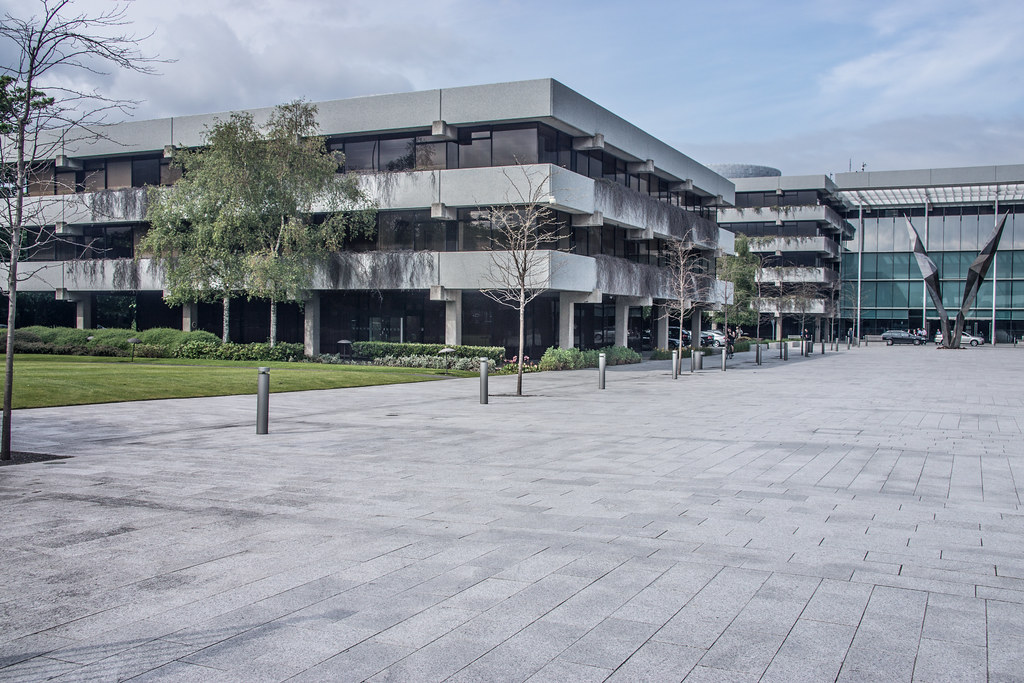
Birmingham has long carried the nickname 'The Magic City' partly on the strength of the iron and steel industries that once defined it, and on Monday the global commodity markets sent a reminder of why those roots still matter. Copper climbed 3.65% to US$6.529, silver surged 4.08% to US$59.12 and platinum advanced 3.02% to US$1,640.30, a simultaneous lift across industrial and precious metals that analysts rarely see compressed into a single session. For a city whose economic story is inseparable from the extraction and fabrication of raw materials, the signal carries weight beyond the ticker.
Gold reinforced the broader metals story, rising 1.94% to US$4,088.30 an ounce, while energy markets moved in the same direction. Brent crude added 2.36% to US$91.33 a barrel and West Texas Intermediate gained 1.68% to US$84.63. Natural gas edged up 1.01% to US$2.889. The convergence of rising energy and metals prices tends to filter through to the operating costs of fabrication and processing businesses, but it equally lifts the revenue outlook for firms on the supply side of those chains, and Birmingham retains a meaningful industrial base that sits at that intersection.
The equity backdrop was broadly constructive. The S&P 500 gained 0.67% to US$7,507.91 and the Nasdaq climbed 1.19% to US$25,825.17, reflecting sustained appetite for risk among US investors. The Dow Jones added a more measured 0.16% to US$52,230.41. Tech-weighted gains on the Nasdaq are relevant here because Birmingham has worked deliberately in recent years to diversify beyond its traditional manufacturing base into health technology and research, sectors whose fortunes track closely with growth-oriented equity sentiment.
Global Confidence Runs Wide
The session's most striking move outside the United States belonged to Tokyo. The Nikkei 225 surged 3.26% to 66,232.19, its advance consistent with the kind of broad risk-on rotation that tends to lift industrial and export-oriented economies. Hong Kong's Hang Seng rose 2.32% to 25,132.29, adding a second major Asian index to the positive column. In Europe, Germany's DAX gained 0.73% to 25,011.35 and the CAC 40 in Paris added 0.28% to 8,363.14, while the FTSE 100 in London dipped a modest 0.14% to 10,585.91 and Singapore's Straits Times index edged up 0.31% to 5,526.72. The weight of global evidence pointed toward confidence rather than caution, a context that matters for Birmingham businesses with export relationships or supply chains spanning multiple continents.
Cryptocurrency markets participated in the day's optimism, though with mixed intensity. Bitcoin rose 1.74% to US$66,366.62 and Ethereum gained 1.02% to US$1,923.22. XRP was the standout in the digital asset space, advancing 4.32% to US$1.1602. BNB added 0.36% to US$572.76, Dogecoin rose 1.91% to US$0.07352 and Solana moved just 0.07% higher to US$77.85. The digital asset class continues to attract attention from younger investors in the Birmingham area, and its correlation with broader risk appetite was visible again in Monday's session, with the sharpest gains concentrated in assets that also saw the strongest institutional interest.
For Birmingham households with retirement accounts or pension exposure to diversified funds, the day's moves across equities, commodities and digital assets represented a broadly positive shift in portfolio values, though the degree of benefit depends entirely on how individual holdings are weighted. Commodity-linked equities, in particular, would have reflected the metals rally in ways that a purely domestic equity allocation might not. The relevance of global index moves to any one account holder is always a function of specific holdings rather than headline figures alone.
What Monday's snapshot captures is a market environment in which the raw materials that helped build Birmingham are once again attracting a premium. Whether that reflects genuine supply tightness, shifting industrial demand from clean-energy infrastructure buildout or simply a rotation of capital into hard assets is a question that portfolio managers will debate. What is not in question is that when copper, silver and platinum move together with the conviction they showed today, a city with Birmingham's industrial lineage has reason to pay close attention. This article is general information only and does not constitute personal financial or investment advice. Readers should consider their own circumstances and consult a licensed professional before making any financial decisions.