lifestyle
Birmingham's Mental Health Heroes: The Faces and Stories Behind Local Support
In Birmingham, it’s people-patients, volunteers, and professionals-who give mental health care its unique strength and heart.
How we reported this
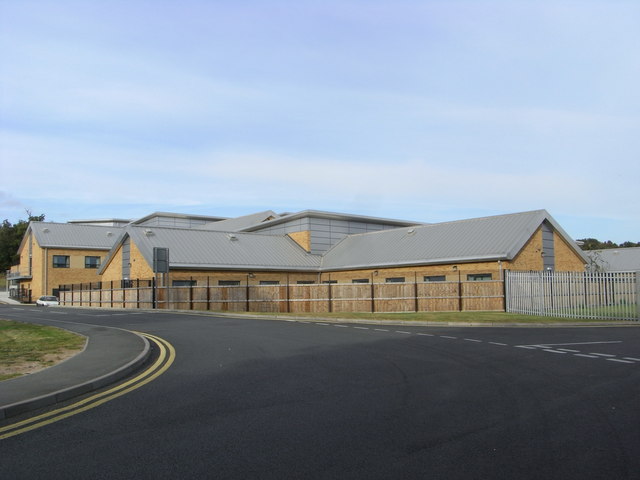
Birmingham’s mental health landscape is shaped by the individuals residing in the city-those seeking help and those providing it. Behind every service and initiative at establishments like The Wellbeing Centre on Bradford Street and Minds Matter Birmingham on Lozells Road are personal stories of courage, recovery, and compassion that knit the community together.
As mental health concerns rise nationally, local voices offer insight into why these resources matter now more than ever. The pandemic’s lasting mental health effects, coupled with tightening NHS budgets and a higher demand for support services, underscore the critical role community groups and dedicated professionals play in Birmingham. This city, with its diverse population and vibrant neighborhoods, reflects the broader mental health challenges and triumphs that few statistics can fully capture.
Community Roots and Real Lives
In Digbeth, The Wellbeing Centre acts as more than just a treatment facility. Open since 2015, it hosts peer-support groups, art therapy sessions, and workshops focused not only on managing symptoms but empowering people to tell their stories. Staff there report that over 60% of attendees are from ethnic minority backgrounds, emphasizing the centre’s commitment to culturally responsive care in an area known for its multicultural makeup.
Just a few miles away, Minds Matter Birmingham has a specialized program supporting young adults aged 18-25 in the Lozells and Handsworth neighborhoods, two areas particularly affected by socioeconomic deprivation. With funding from the Birmingham City Council and local charities like Birmingham Mind, the program offers counseling, crisis intervention, and job skills coaching. It’s this integration of mental health support with practical assistance that participants say offers hope and tangible steps toward stability.
Numbers Affirm the Need
According to a 2025 report by Birmingham and Solihull Mental Health NHS Foundation Trust, nearly 1 in 5 adults in Birmingham sought some form of mental health care in the past year. Demand for community-led services grew by 18% from 2023 to 2025, mirroring national trends but highlighting the pressures on local resources. NHS funding for mental health in Birmingham increased by £2 million in the latest fiscal year, yet gaps remain-particularly in affordable counseling, where average session costs outside NHS provision start at £45 per hour at private clinics in Edgbaston.
Despite funding challenges, mental health charity volunteer numbers in Birmingham have risen 12% in the last two years, according to data from Volunteer Birmingham. These volunteers-many of whom have personal lived experience-offer invaluable outreach in schools, workplaces, and community centers, helping break down stigma and bringing services to those hesitant to seek help formally.
To navigate the city’s mental health support, residents can contact the Birmingham Mental Health Helpline, available 24/7 at 0121 233 3555, offering immediate advice and referrals. Additionally, the Birmingham Wellbeing Directory website provides up-to-date listings of free and low-cost mental health resources across neighborhoods.
For Birmingham, mental health is more than a public health metric. It’s a community effort, fueled by individuals whose stories and faces remind the city why this issue matters-to each person and the collective well-being of this urban landscape.