news
Birmingham Neighborhoods Transform: Developers Reshape City's Historic Districts
An overview of how recent local developments came to shape Birmingham’s neighborhoods today.
How we reported this
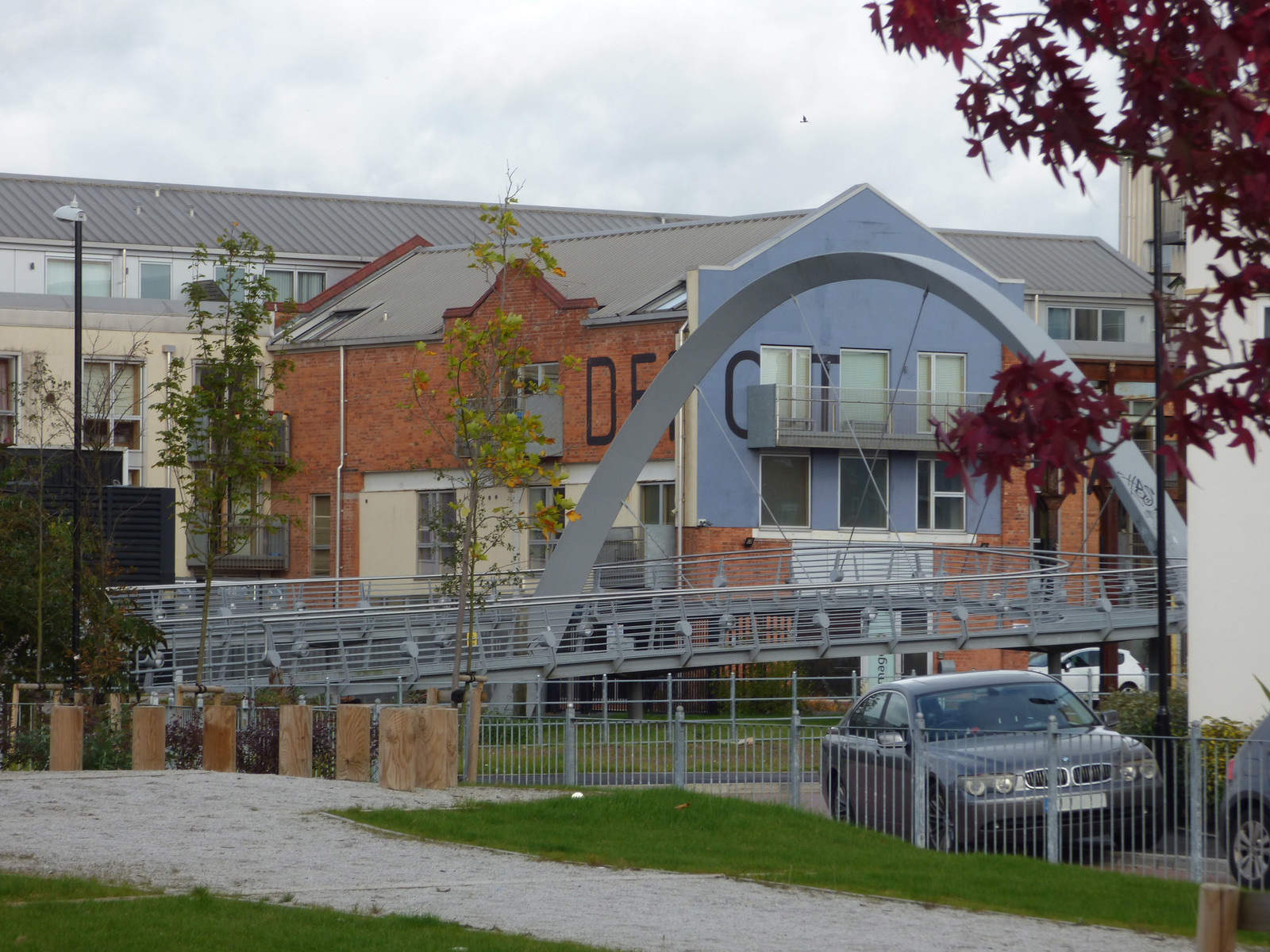
Birmingham’s neighborhoods are evolving, shaped by years of economic and social shifts that set the stage for current changes. Understanding the background helps illuminate why areas look and feel different now and what trends brought the city to this point.
Why Neighborhood Development Matters Now
Neighborhood development is more than new buildings and parks; it reflects who lives in these areas, what services they access, and how connected they feel to the city. As Birmingham faces broader regional and global challenges, local development projects reveal where investment flows and community priorities lie.
In recent years, national and international pressures have influenced Birmingham’s growth trajectory. For instance, the city’s response to global economic uncertainty and fluctuating demand for commodities has affected employment and housing availability, which then ripple into neighborhood demographics and infrastructure.
How Past Events Shaped Today’s Neighborhood Scene
Though Birmingham-specific statistics are not detailed in currently available sources, the city’s development follows familiar urban patterns seen worldwide. Economic downturns in key industries often lead to job losses and halt building projects temporarily, while recovery phases invite fresh investment and urban renewal efforts.
At the same time, recent global events have created instability in markets crucial to cities like Birmingham. For example, disruptions in regional trade and security often cause uncertainty for local businesses and residents, influencing migration, property markets, and city planning strategies.
Collectively, these forces create a textured backdrop against which Birmingham’s neighborhoods evolve. To residents, this means the community fabric adapts continually-through shifts in who moves in or out, alterations in local amenities, and changes in public services availability.
Looking ahead, stakeholders in Birmingham’s urban spaces-residents, planners, and officials alike-are encouraged to engage with ongoing projects actively. Staying informed about local development initiatives and voicing community needs at public forums can help steer growth toward balanced, inclusive outcomes that benefit all city dwellers.