news
Birmingham Redevelopments Reshape Housing Access and Local Amenities
Major projects in established areas and outlying communities are set to influence housing access and local amenities over the coming years.
How we reported this
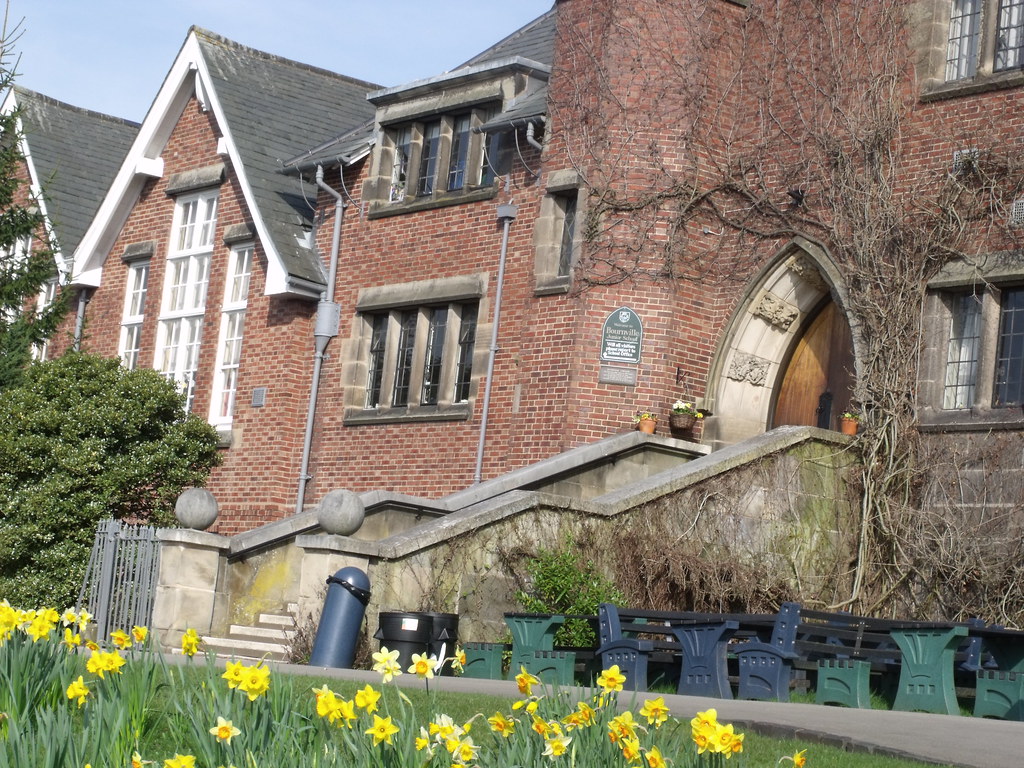
Birmingham's Smithfield, College Hills, and Graymont neighborhoods are undergoing a $242 million redevelopment funded by a $50 million HUD Choice Neighborhoods Grant, with construction beginning in 2024 and completion scheduled for 2031. This scale of investment reaches directly into the daily routines of residents who live and work in these central areas.
Central Neighborhood Upgrades and Resident Access
The redevelopment targets three specific neighborhoods where existing housing and community facilities stand to receive coordinated updates through the grant-supported plan. Residents in Smithfield, College Hills, and Graymont may see changes to streets and buildings that have long shaped their commutes and local interactions. The multi-year timeline allows time for families to plan around phased work while the overall effort aims to maintain continuity in these established communities.
Additional Projects Adding Housing and Amenities
The Star Uptown mixed-use development on the former Carraway Hospital site is set to begin construction in early 2026, delivering new cottages and townhomes by early 2027. The historic Yeilding Building in downtown Birmingham is being redeveloped into a new project dubbed "The Yeilding," expected to open in 2026 near The Collins Bar and Canary Gallery. A 400+ acre nature preserve is opening in the City of Hueytown during the first quarter of 2026. These additions supply new residential choices and a sizable green space west of the city core, giving residents options for both living arrangements and outdoor access without long travel.
Outlying Metro Growth and Housing Progress
Residential growth is expanding into outlying metro areas, with Gardendale, Mt. Olive, Morris, Kimberly, and Warrior hosting 651 homes in progress, while Hoover leads the metro with the most planned communities. The 651 homes represent concrete progress in those specific suburbs, allowing residents there to consider newer units as they become available. Hoover's position with the most planned communities reinforces its role as a hub for families weighing moves within the broader metro area.
Local residents can track permitting updates through city planning offices and review project timelines on the referenced development reports to understand when specific blocks or amenities will come online. Construction schedules and neighborhood boundaries remain the primary factors guiding day-to-day impacts.