Politics
Birmingham Housing Levy Referendum Guide: Effects on Council Services and Resident Contributions
Voters across Birmingham will consider a proposed levy on new housing developments that would direct funds to local infrastructure projects starting in the 2027 financial year.
How we reported this
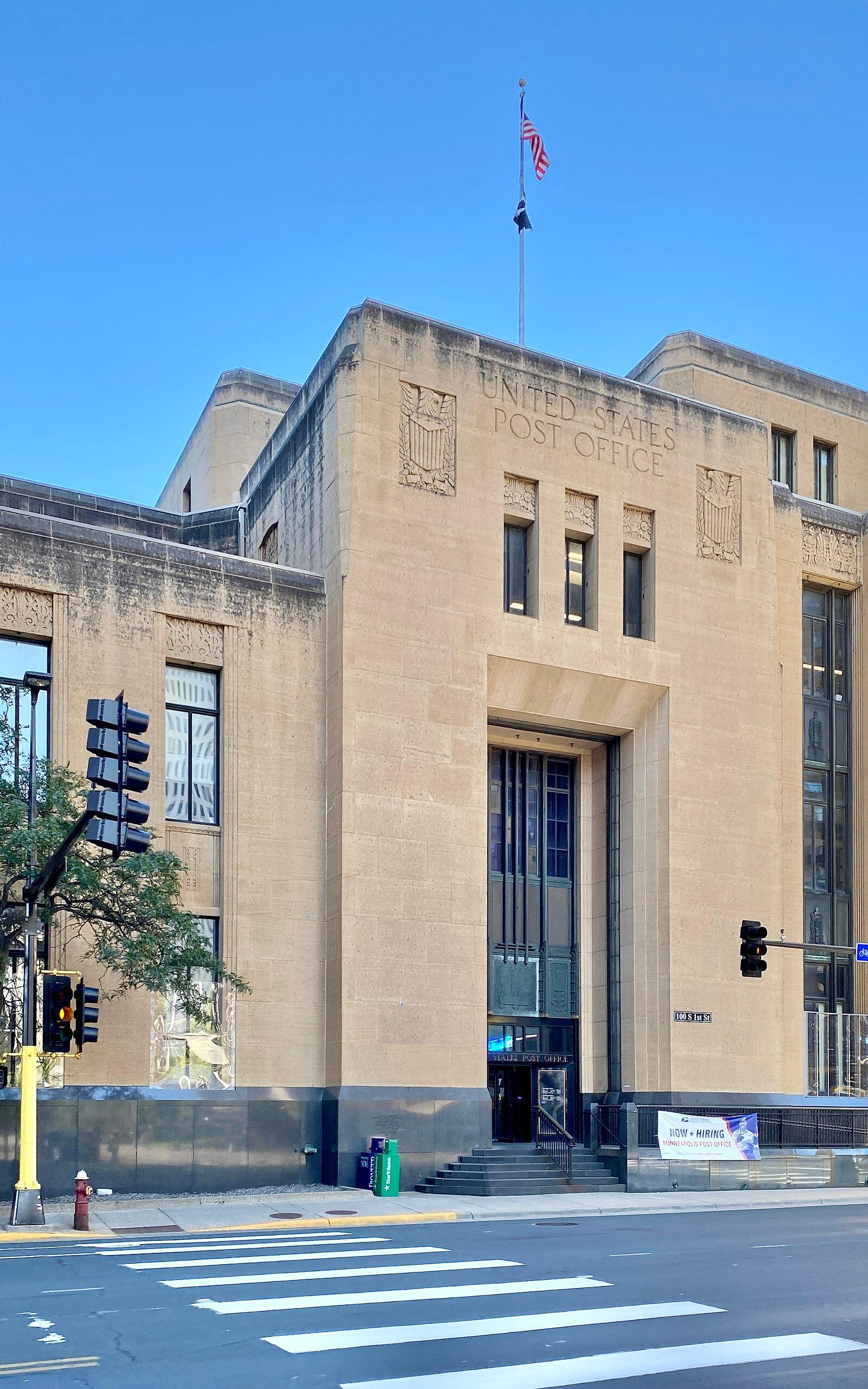
Birmingham City Council placed a ballot measure before residents for a November referendum that would authorise a levy on new residential developments to support infrastructure upgrades. The measure would apply to all wards in the metropolitan borough and would require developers to contribute a fixed percentage of project value toward roads, parks and community facilities. Local residents would not face direct new charges under the proposal, though council documents project indirect effects on service delivery and planning decisions.
The referendum follows national changes to planning rules announced earlier this year that reduced central government grants for local authorities. Birmingham's 2026-27 budget paper recorded a £48 million shortfall in capital funding for housing-related projects compared with the prior year. Council officers have stated that without additional local revenue sources the authority expects delays in road repairs and park maintenance across multiple districts.
Impacts on Birmingham Households and Neighbourhoods
Policy analysts note that the levy would channel developer payments into projects already listed in the council's local plan, including upgrades to bus lanes in Yardley and drainage improvements in Erdington. Residents in areas scheduled for new apartment blocks could see faster completion of those supporting works if the measure passes. Community advocates have pointed out that current planning permissions in Handsworth and Moseley already include similar contribution requirements, though the referendum would standardise the rate citywide.
The legislation states that collected funds must be spent within five years on capital items rather than day-to-day operations. This restriction would limit immediate effects on council tax levels, which the budget paper projects to remain unchanged for the next two years regardless of the referendum outcome. Local experts have emphasised that any increase in housing supply triggered by clearer funding rules could affect waiting lists for social housing, which stood at 22,000 households in the most recent council report.
Next Steps After the Vote
If approved, the levy would take effect on planning applications submitted after 1 April 2027. The council would publish quarterly reports on revenue received and projects funded, with oversight by the existing audit committee. Should the measure fail, officers have indicated that several schemes in the capital programme would be deferred until alternative funding is identified. Residents can review the full text of the proposed levy and the accompanying guidance booklet on the council website ahead of the referendum.