tech
Why Investors Are Pouring Millions Into Birmingham's Digital Literacy Push
As global crises spur demand for digital skills, Birmingham startups and nonprofits secure record funding to close the tech divide.
How we reported this
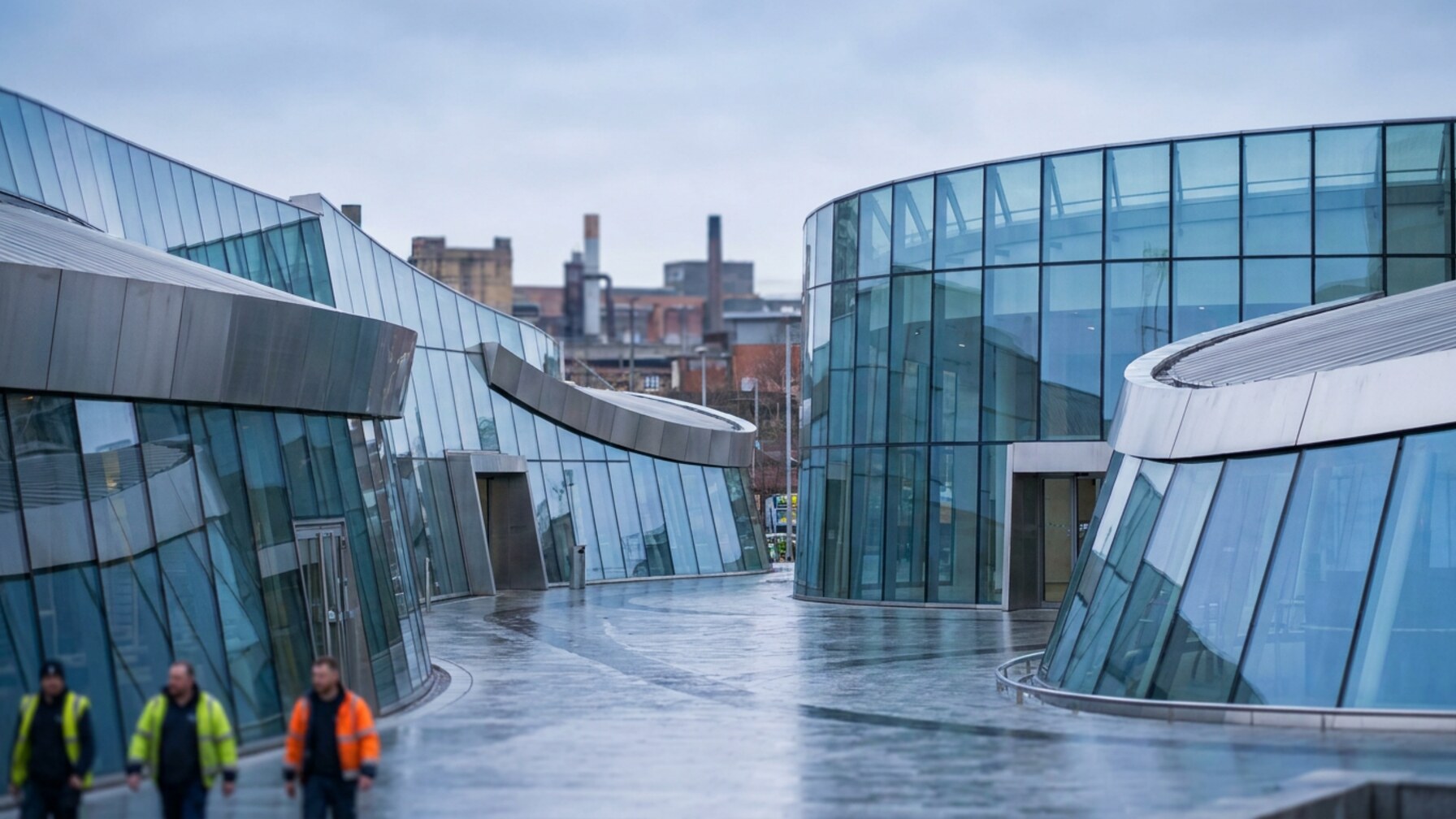
A new wave of investment is reshaping how Birmingham tackles digital literacy, with venture capital flowing into local startups and community programs at a pace not seen since the city's tech boom of the early 2020s.
At least £8.3 million has been committed so far this year to Birmingham-based digital literacy initiatives, according to data from the West Midlands Combined Authority and TechBrum, a local industry group. That's more than double the £3.9 million raised in all of 2024. The surge comes as a pair of global crises-Iran's closure of the Strait of Hormuz and Spain's deadliest wildfire in decades, which killed 12 people-remind investors and policymakers that digital resilience is no longer optional.
From Digbeth to Handsworth: Where the Money Is Going
The biggest chunk, £2.1 million, went to Code Campus, a nonprofit based in Digbeth's Custard Factory. The organisation runs free coding bootcamps for adults over 50 and refugees, two groups that local surveys show are most at risk of digital exclusion. The funding will let Code Campus expand from its current space on Floodgate Street into a second location on the Soho Road in Handsworth by September, executive director Zara Mellor said in a press statement last week.
Another £1.5 million landed at Click Start Birmingham, a partnership between the city's central library on Centenary Square and the University of Birmingham. They're building a mobile digital classroom-a refurbished double-decker bus-that will visit 12 neighbourhoods including Kingstanding, Sparkbrook and Erdington. The bus will offer free WiFi, 20 laptops and one-on-one mentoring. It's scheduled to hit the streets on October 5, 2026.
Private investors are also piling in. Birmingham-based venture firm Brummie Capital led a £750,000 seed round for SkillUp, an app that teaches basic internet safety and data privacy to teenagers. The app launched in May and had already been downloaded 14,000 times across the city, according to a recent filing with Companies House.
Why Now? The Crisis Connection
The timing isn't accidental. The global headlines this week-China's second typhoon in seven days, the Iranian threat to choke off oil through the Strait of Hormuz, the ongoing fallout from the Trump administration's subpoenas of New York Times journalists-have underscored how quickly a lack of digital skills can leave people stranded. In Birmingham, nearly 18% of adults still lack basic digital skills, according to a 2025 report from the West Midlands Combined Authority. That's roughly 180,000 people.
“The pandemic taught us that digital access is a necessity, not a luxury,” said Councillor Mariam Khan, the city's cabinet member for digital inclusion, at a press conference on Wednesday. “Now we're seeing investors recognise that this isn't just charity-it's infrastructure.”
The money is also flowing from unexpected sources. The Arts Council England kicked in £400,000 for a pilot program at the Midlands Arts Centre in Cannon Hill Park that teaches elderly residents how to use smartphones and streaming services. And the city's business improvement district, Birmingham City BID, allocated £250,000 from its levy fund to train shop staff on the High Street in digital payment systems.
For residents wanting to get involved, the next big event is the Birmingham Digital Inclusion Summit on August 20 at the ICC Birmingham on Broad Street. Organisers expect more than 600 attendees. Registration is free but required, and slots are already 70% filled, according to the events page.
Meanwhile, Code Campus is accepting applications for its autumn cohort of 120 trainees. The deadline is August 1, 2026. Applicants must live in Birmingham and be willing to commit to eight Saturday sessions. No prior coding experience is required.